
Used Heat Exchanger for Industrial Processing Requirements
Understanding the Role of Thermal Transfer
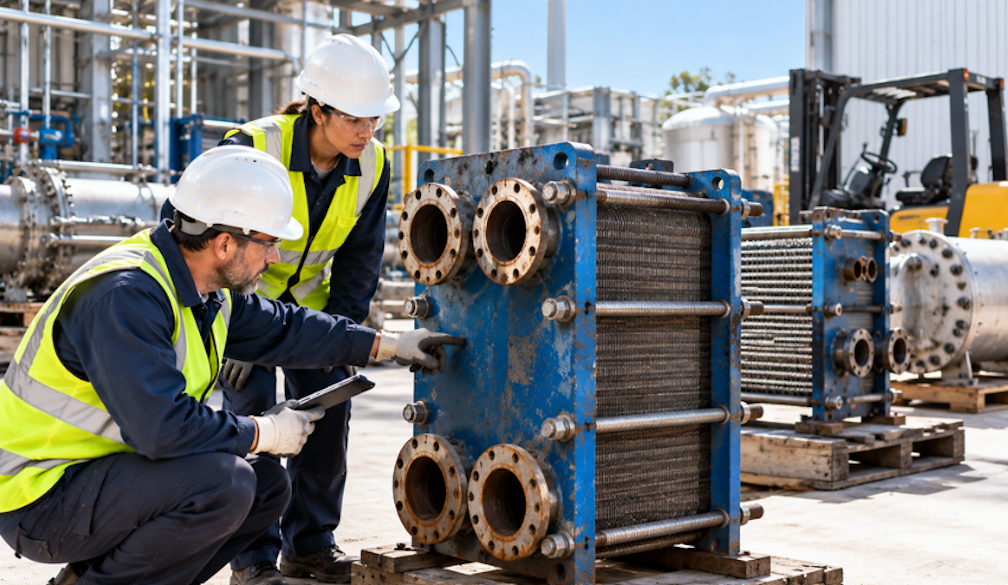
A heat exchanger transfers heat between fluids without the fluids mixing, making it an important component in many industrial processes. The equipment can be used with liquids, gases or steam where controlled temperature transfer is required. FA Maker supplies used process equipment across industries and lists heat exchangers in several configurations, including plate, shell and tube, spiral and tube-in-tube models. Understanding the process requirement first helps buyers assess which design is appropriate.
Plate, Shell and Tube, and Spiral Designs
Different the equipment designs suit different operating conditions. Plate units offer a compact arrangement and are commonly associated with efficient thermal transfer and straightforward cleaning. Shell and tube designs are widely used where higher pressures or temperatures may be involved. Spiral models can be suitable for applications involving fouling fluids or sludges. Reviewing the fluid, temperature, pressure and available installation space is therefore an important part of equipment selection.
Considering Process Temperature Requirements
Temperature control is central to thermal processing. A heat exchanger may be used to raise or lower the temperature of a process stream, maintain a required operating range or recover useful heat within a system. Buyers should consider the required inlet and outlet temperatures, flow characteristics and operating conditions when assessing equipment. FA Maker's inventory includes individual units with specifications that can be reviewed against the intended process.
Used Equipment and Refurbishment
Buying used process equipment can provide an alternative to purchasing new machinery, particularly when suitable equipment is available from existing inventory. FA Maker states that it specialises in buying second-hand industrial equipment, servicing it and offering it for resale. Its workshop facilities and technical team support the inspection and refurbishment process, allowing buyers to review available machinery based on condition and specifications.
Matching Equipment to the Application
The correct equipment depends on more than the name of the machine. A heat exchanger used in food processing may have different material and hygiene considerations from equipment used in chemical or industrial applications. Process fluids, operating temperatures, pressure, flow rate and cleaning requirements can all influence the preferred configuration. Reviewing these details before purchase helps narrow the inventory to equipment that fits the process.
Reviewing Construction and Materials
Construction material is another consideration when evaluating thermal processing equipment. Stainless steel is used across many industrial processing applications where durability and cleaning requirements are important. Individual FA Maker listings provide product details for specific machines, so buyers can review construction, configuration and other available specifications before discussing a purchase with the supplier.
Installation and Integration Considerations
A used unit still needs to fit into the wider process line. Before selecting equipment, buyers should consider connection points, available floor space, access for maintenance and compatibility with existing pumps, tanks or other process machinery. Reviewing these practical details early can reduce the risk of selecting equipment that cannot be integrated efficiently into the intended system. This makes heat exchanger selection a practical part of planning the process.
Inspecting Available Specifications
FA Maker's product listings provide information for individual pieces of equipment, including stock codes and technical details where available. For example, listed the equipments can identify their type and particular operating specifications. This allows buyers to compare actual equipment rather than relying only on general category descriptions. It is sensible to confirm current availability and detailed specifications directly with FA Maker before purchase.
Supporting Food and Industrial Processing
Thermal transfer equipment has applications across food, pharmaceutical, chemical and other industrial processing environments. The appropriate design depends on the process and the characteristics of the material being handled. FA Maker's broader inventory includes food and dairy machinery as well as other industrial process equipment, which can be relevant where a heat exchanger forms part of a larger production system.
Why Equipment Selection Should Be Process Led
Starting with the process rather than a particular machine model makes equipment selection more practical. The required heat duty, operating conditions, material compatibility, footprint and connections can establish the basic specification. Once those factors are understood, available used equipment can be compared against the requirements. This approach can help businesses assess whether an available unit is suitable before arranging further technical discussions.
Working With Existing Plant Requirements
Existing facilities often place practical limits on replacement or additional equipment. A unit may need to fit within an established process layout or connect to existing pipework and supporting machinery. FA Maker's range of used industrial equipment provides different categories for buyers to review, while individual product information can help establish whether a listed machine is worth further assessment. This makes heat exchanger selection a practical part of planning the process.
Making a Practical Equipment Decision
Selecting a thermal processing unit should involve a clear review of application, operating conditions, construction, dimensions, connections and available specifications. FA Maker's the equipment inventory includes several established equipment types, giving buyers options to investigate. Confirming the technical details and current availability with the supplier is the final step before deciding whether a particular machine is appropriate for the intended process.

 Business Daily